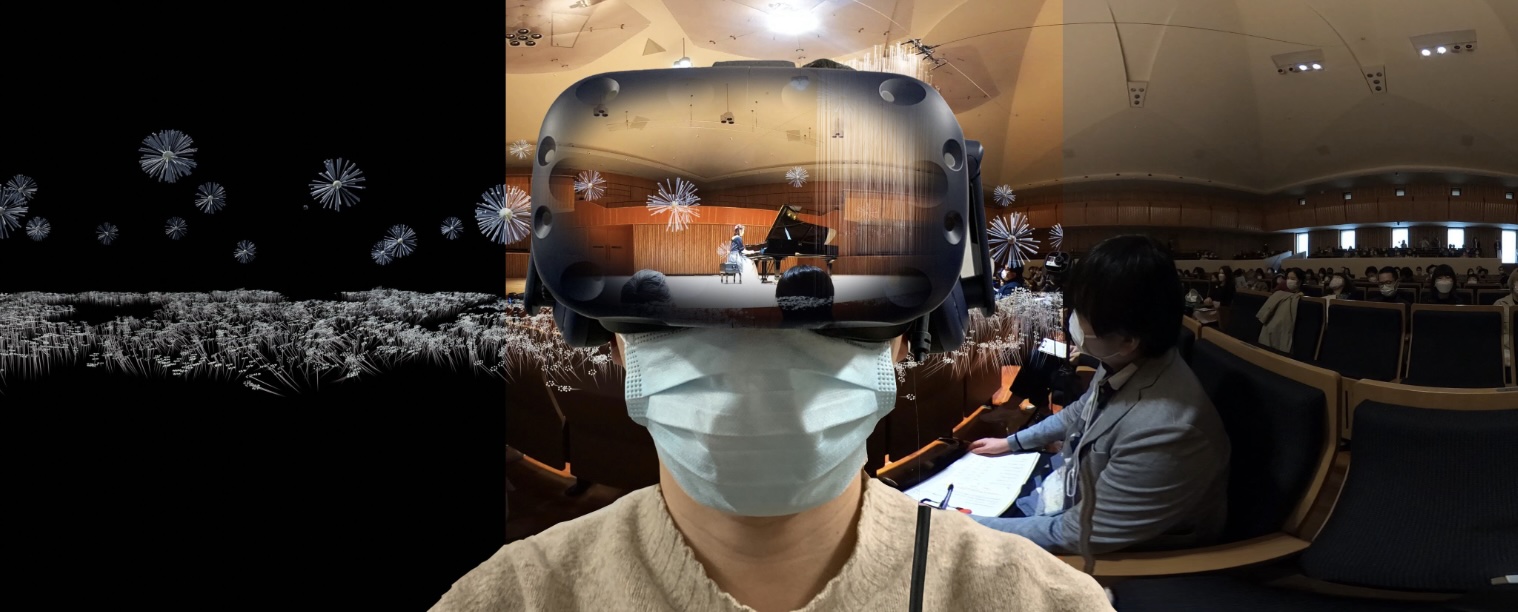
Virtual reality promises to transport us to events we could never attend in person. Concert recreations in VR have become increasingly sophisticated, aiming to capture not just the sights and sounds of a performance, but the atmosphere created by a live audience. But what happens when we try to recreate that collective energy using physiological data from the original audience? And does it matter if that data is real or fake?
[Read More]Cuddle Fish
A Soft Floating Robot for Safe Physical Interaction
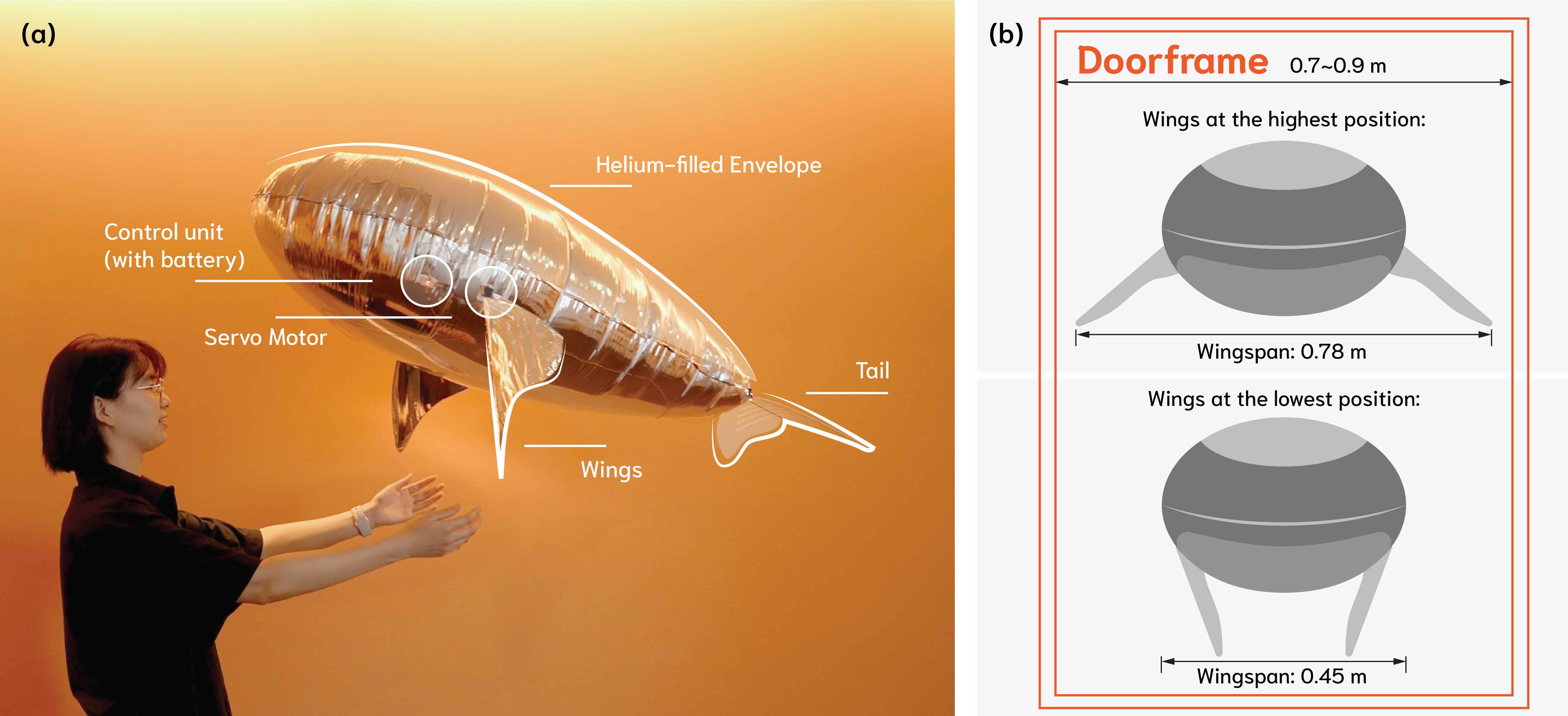
Flying robots are becoming more and more common. Yet, they also come with safety concerns. Quadrocopter drones, the most popular type, have fast-spinning propellers. Their rigid structures and loud noise levels make them unsuitable for close-range human interaction. Yet, can we design flying robots that people can safely touch and interact with?
Our recent work, lead by Mingyang Xu, introduces Cuddle-Fish, a soft floating robot that takes a different approach to aerial robotics. Instead of using propellers, the robot combines a helium-filled soft body with low-frequency flapping wings inspired by animal movement. It’s also the first of its kind that fits in normal indoor environments (like appartments and homes). Its design eliminates the danger of spinning blades while maintaining the ability to move through indoor spaces.
[Read More]HCI Deep Dive
Using Generative AI for Audio Creation
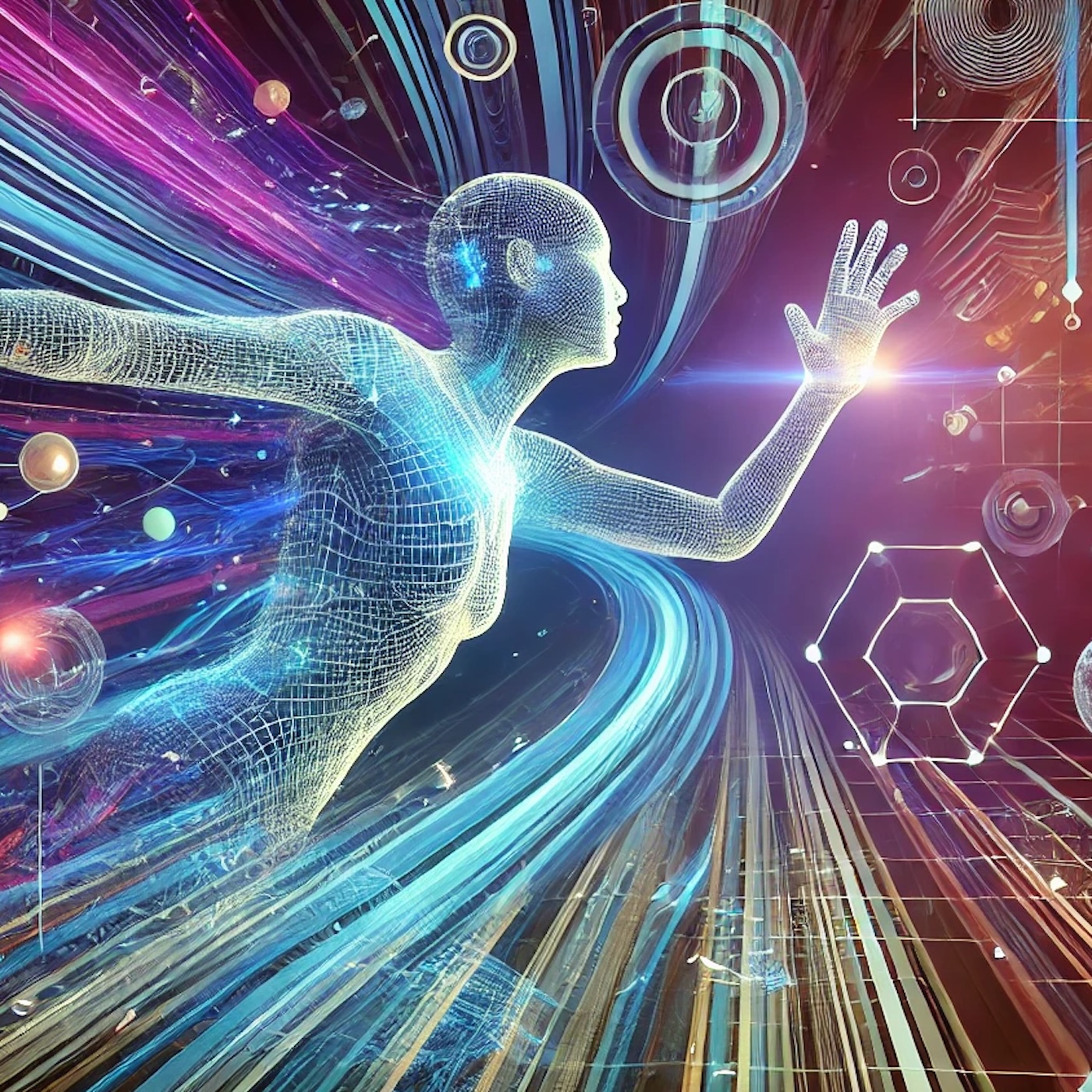
I’ve been experimenting with the Audio Overview of Google’s NotebookLM to create a podcast about Human-Computer Interaction (HCI), and I have to say, it’s surprisingly useful! Using their Audio Overview feature, I’ve uploaded several HCI publications, and NotebookLM has turned them into conversations.
Additionally, I also summarized most of my publications. Have a listen.
Google just announced that they allow to customize the Audio Overviews. I’m pretty excited about this feature, as the standard summarization is a bit too casual for me. Here is an example from the podcast without customization:
[Read More]Eyewear Computing
Mainstream with the Apple Vision Pro?
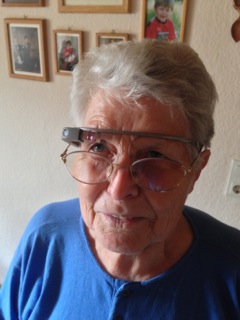
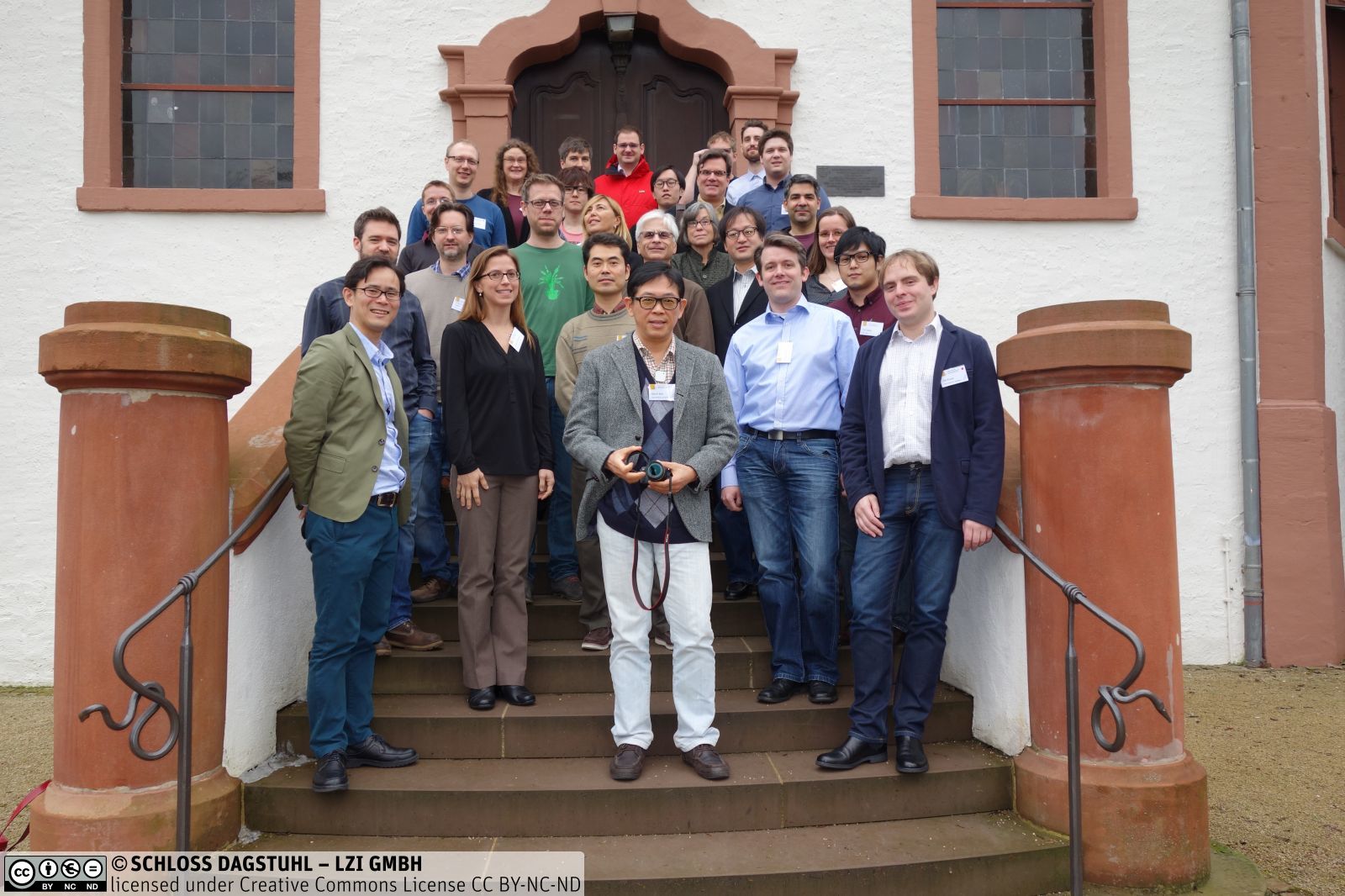
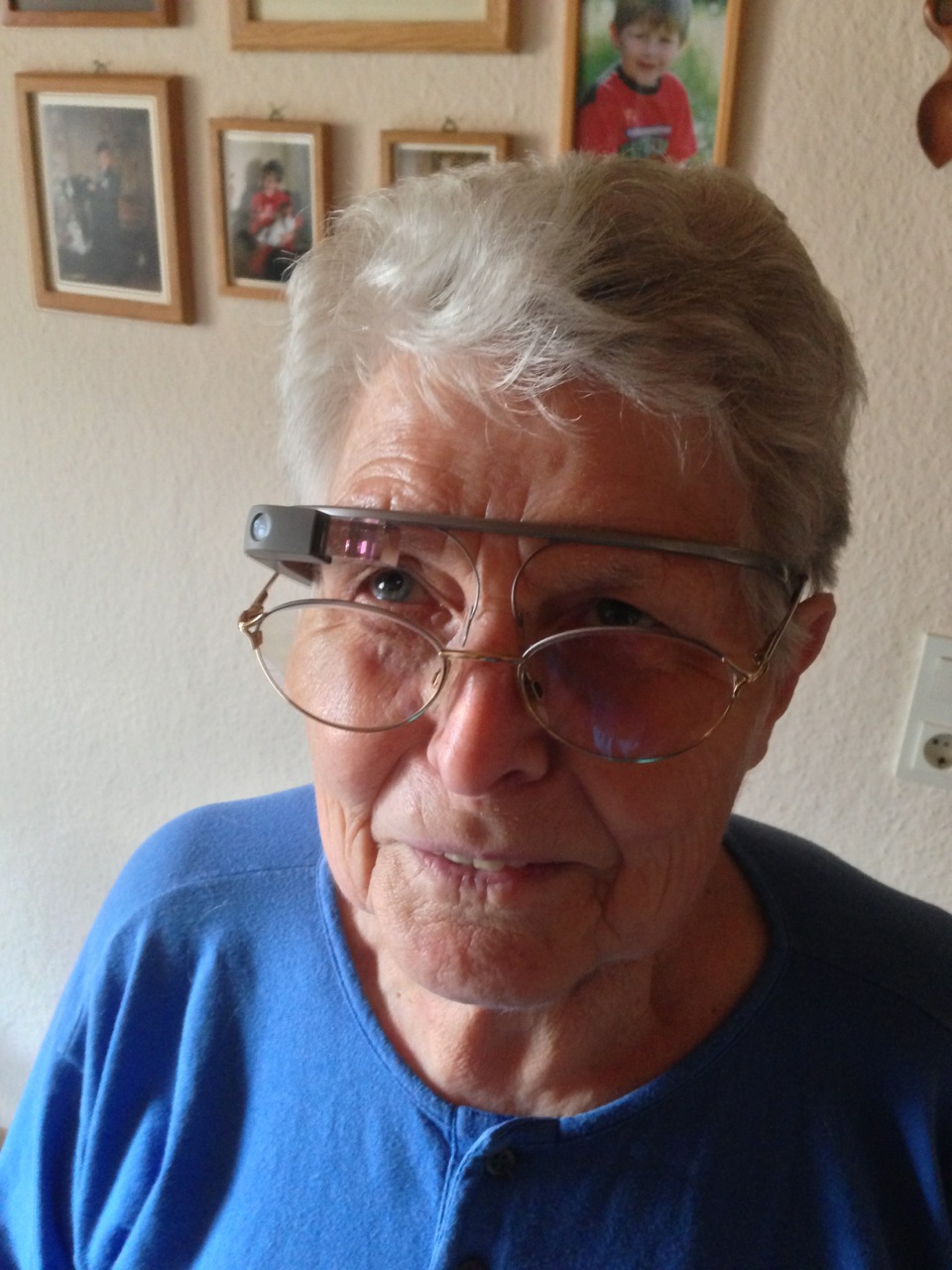
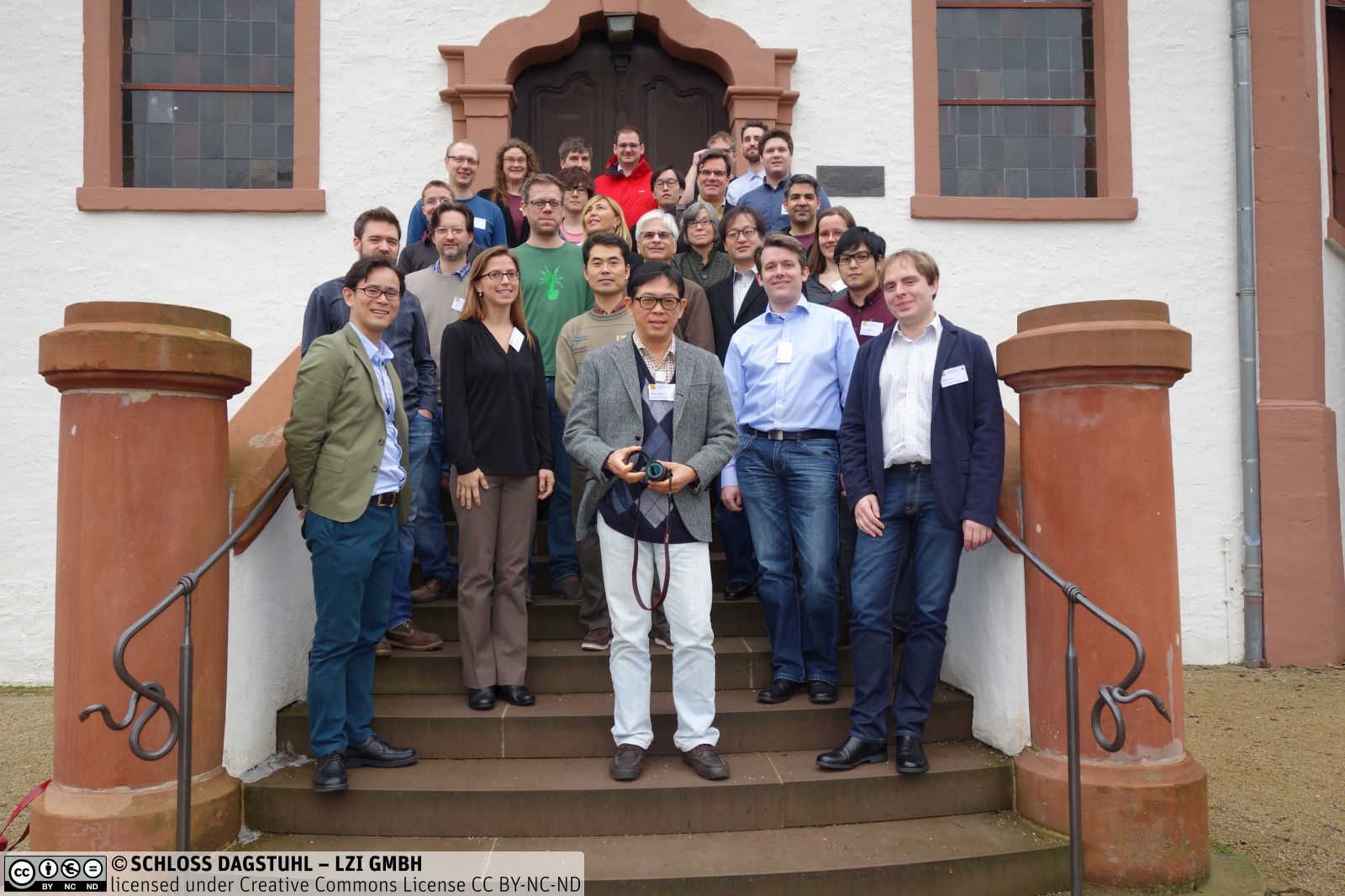
A research concept from 2016 might be in the spotlight in the next years, as described and discussed in the Dagstuhl Seminar “Eyewear Computing – Augmenting the Human with Head-mounted Wearable Assistants”.
[Read More]Frisson Waves
Augmenting Aesthetic Chills in Classical Music Performances
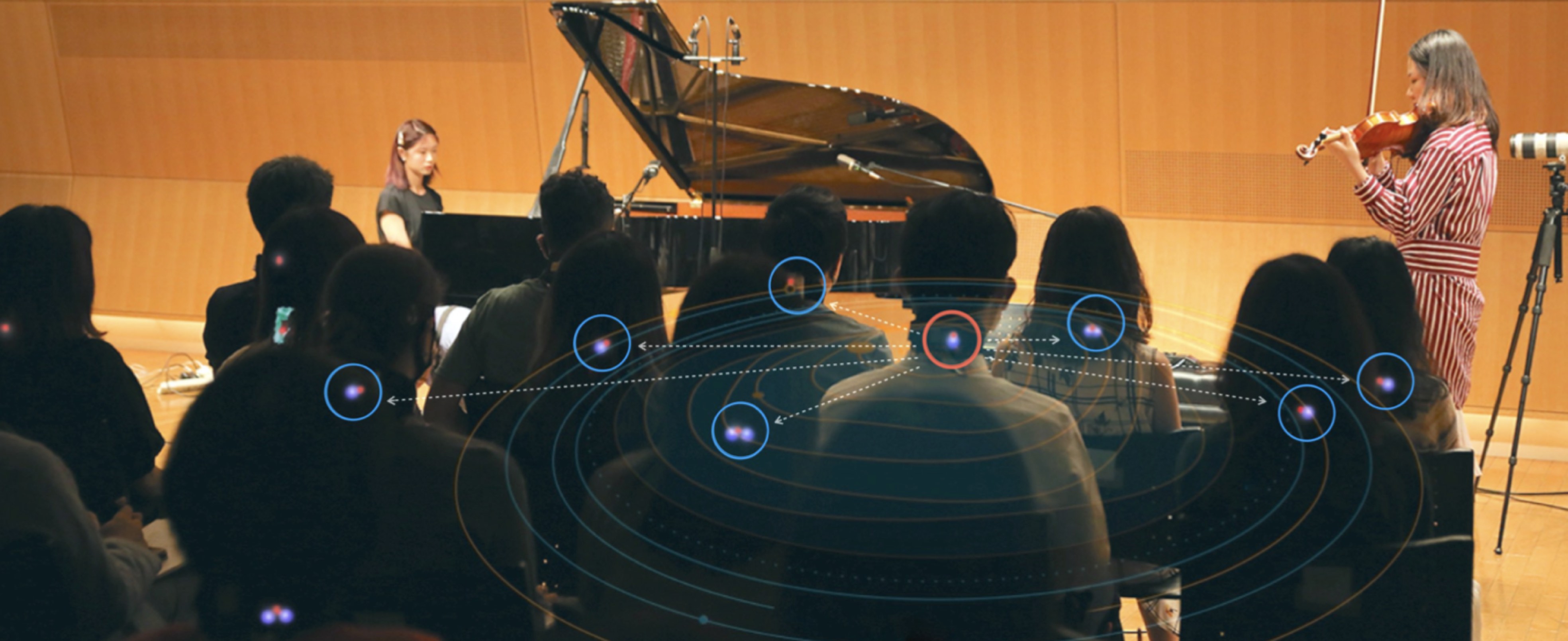
Frisson is a feeling as well as an experience of physical reactions such as shivers, tingling skin, and goosebumps. In this work, we propose Frisson Waves, an exploratory real-time system to detect, trigger and share frisson in a wave-like pattern over audience members during music performances. The system consists of a physiological sensing wristband for detecting frisson and a thermo-haptic neckband for inducing frisson.
[Read More]Augmenting Humans @ Neurolive
Paprticipating in a Liveness Symposium

Very happy to be invited as one of the panelists presenting in a three-day online symposium on Liveness organised by the Neurolive EU Project. The symposium brings together artists, humanities scholars and cognitive neuroscientists to explore how liveness is conceptualised, measured and practiced across the arts and the sciences.
I’m speaking on the 24th, here’s the abstract of my talk and my slides (carefull ~17 Mb pdf)
Abstract: In my research, I combine design and technology to augment human senses, looking for novel interaction paradigms. Engineering and computing have often been used to mimic or surpass some human abilities (for example autonomous driving, playing Go). Such efforts appear to put humans and computers in a competitive relationship, as emphasized in AI vs. Human game competitions. Once fantastic fear of AIs “replacing” human workers is now taken much more seriously and discussed in the public sphere. My research proposes a different approach to the human-computer relationship by applying a cooperative and empowering framework, using wearable computing to actively augment human capabilities.
[Read More]rc3 Talk Boiling Mind
Linking Physiology and Choreography
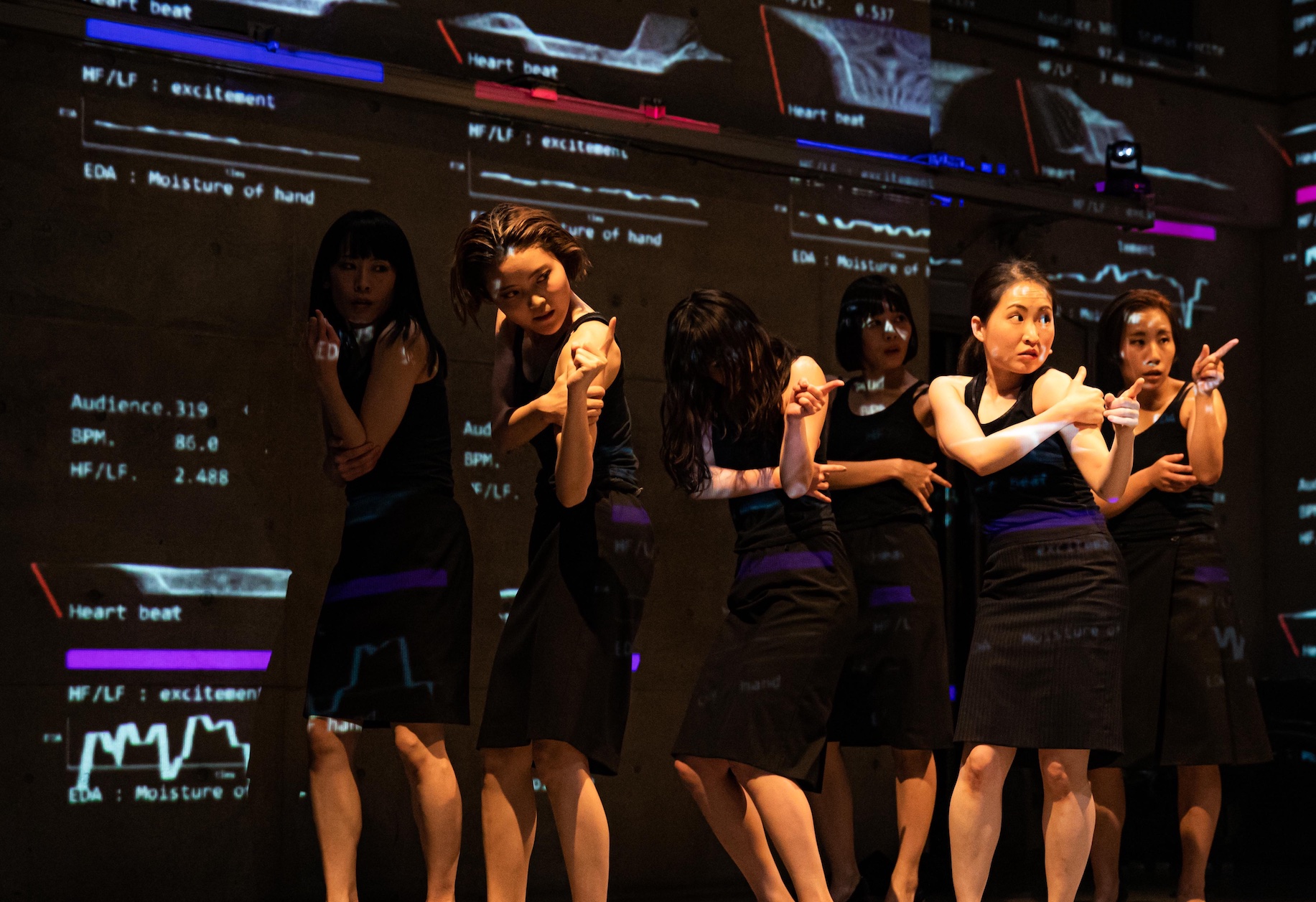
The role of the audience in stage performances is changing from passive spectators to contributors making the performance interactive by using different techniques. In this talk, we investigate the connection of audience physiological data to the experienced performance in three performance events with a total of 98 participants. We identified memorable performance moments by assessing, Electrodermal Activity (EDA) showing that the audience’s responses match the choreographer’s intention. Through Heart Rate Variability (HRV) features related to parasympathetic activity, we identified dramatic shifts that are connected to the choreographic development of the performance. Our results show how the audience’s physiological responses are linked to the choreographic development of the performance. Based on the findings, we contribute a discussion of the registered physiological phenomena and implications of the audience’s responses analysis to performance and choreography design in general. Furthermore, we walk through the dataset collected from the performance events.
[Read More]Augmented Humans 2020
Taking a conference online
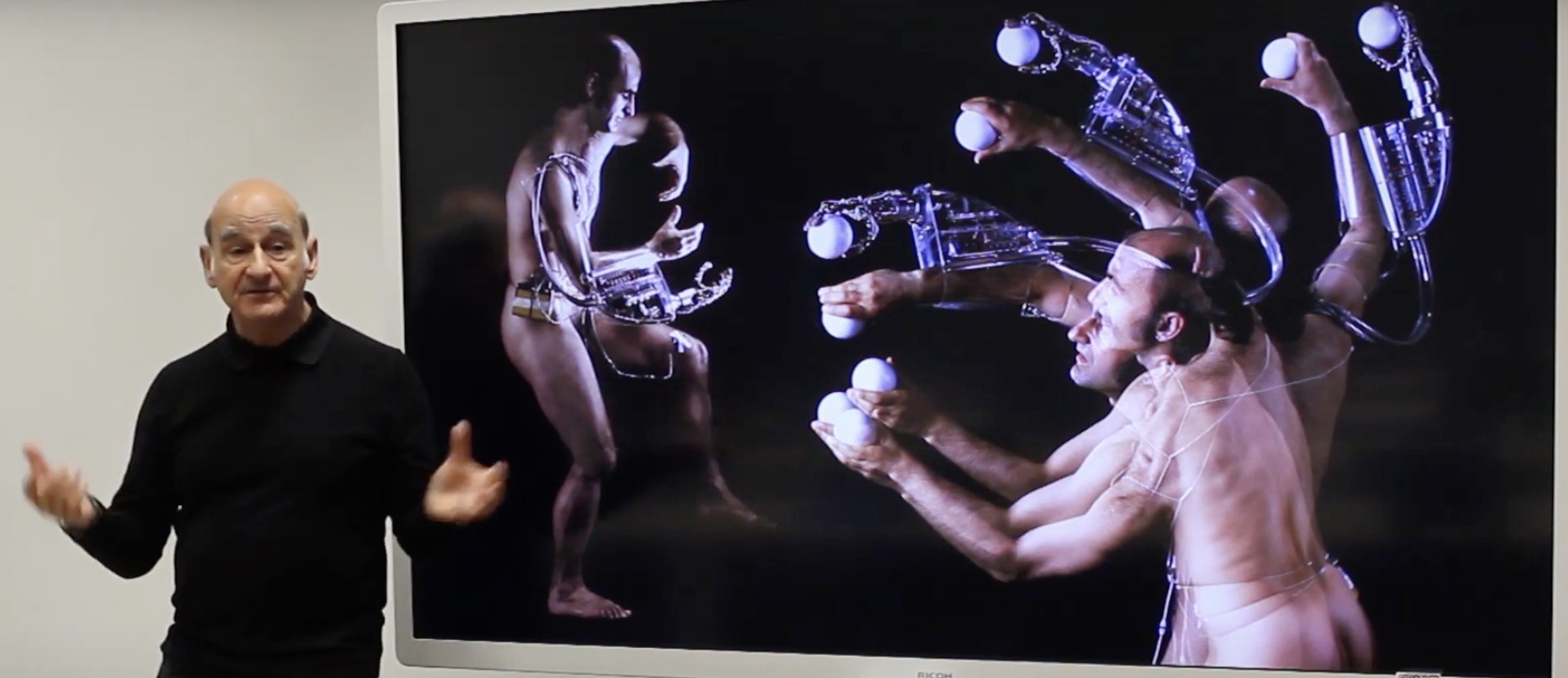
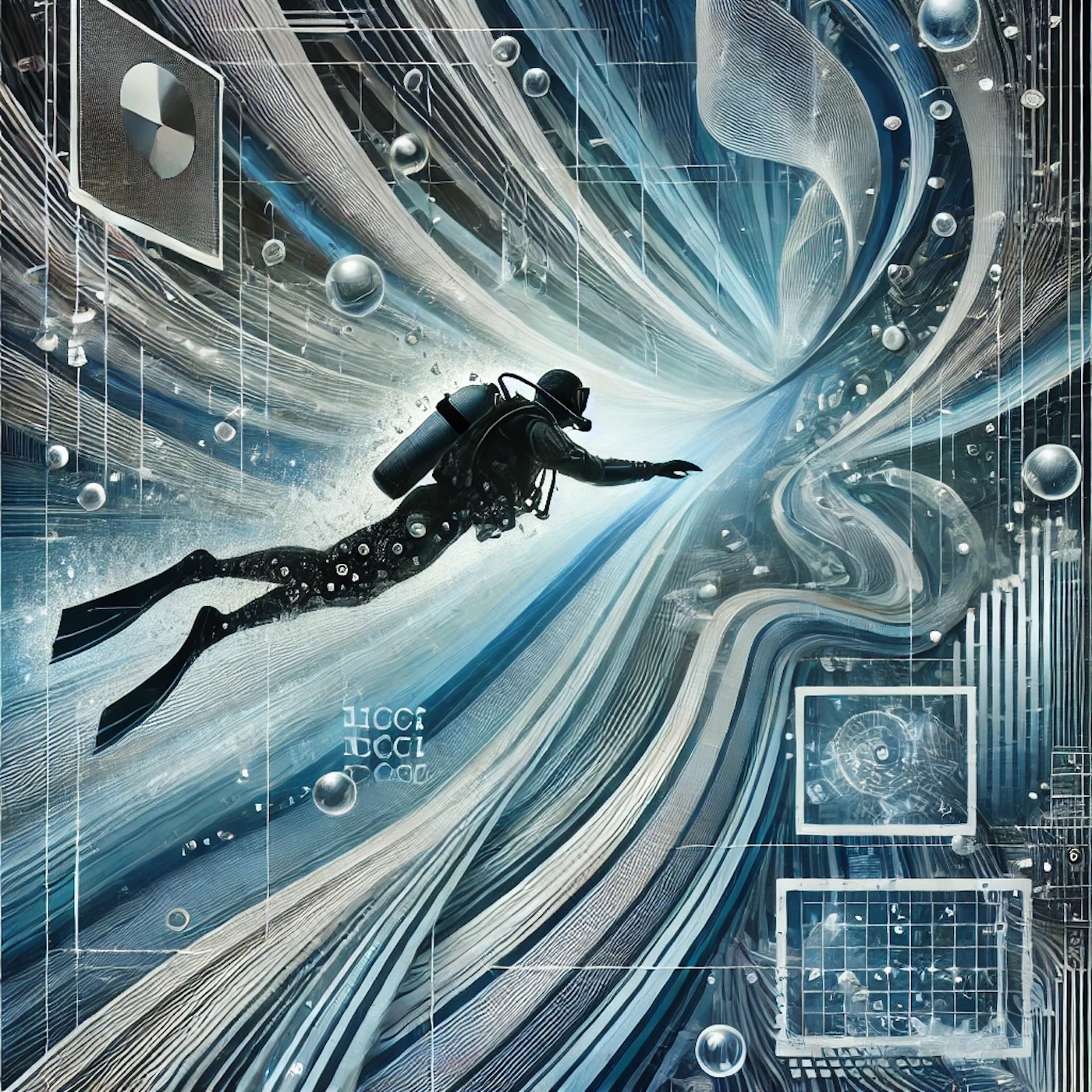
On 16-17 March 2020, we co-organized the Augmented Humans conference in Kaiserslautern.. Due to the circumstances related to COVID-19, we moved to a fully virtual event and cancelled the physical event on 13th March. The whole team was struggling and especially thanks to all of the chairs it came together quite well.
On Sunday, just we met (only 2 people, disinfection materials, social distancing and mask wearing in place) to pre-record Stelarc’s Keynote
[Read More]Kai @ Miraikan Science Quest
The eye as window to the mind
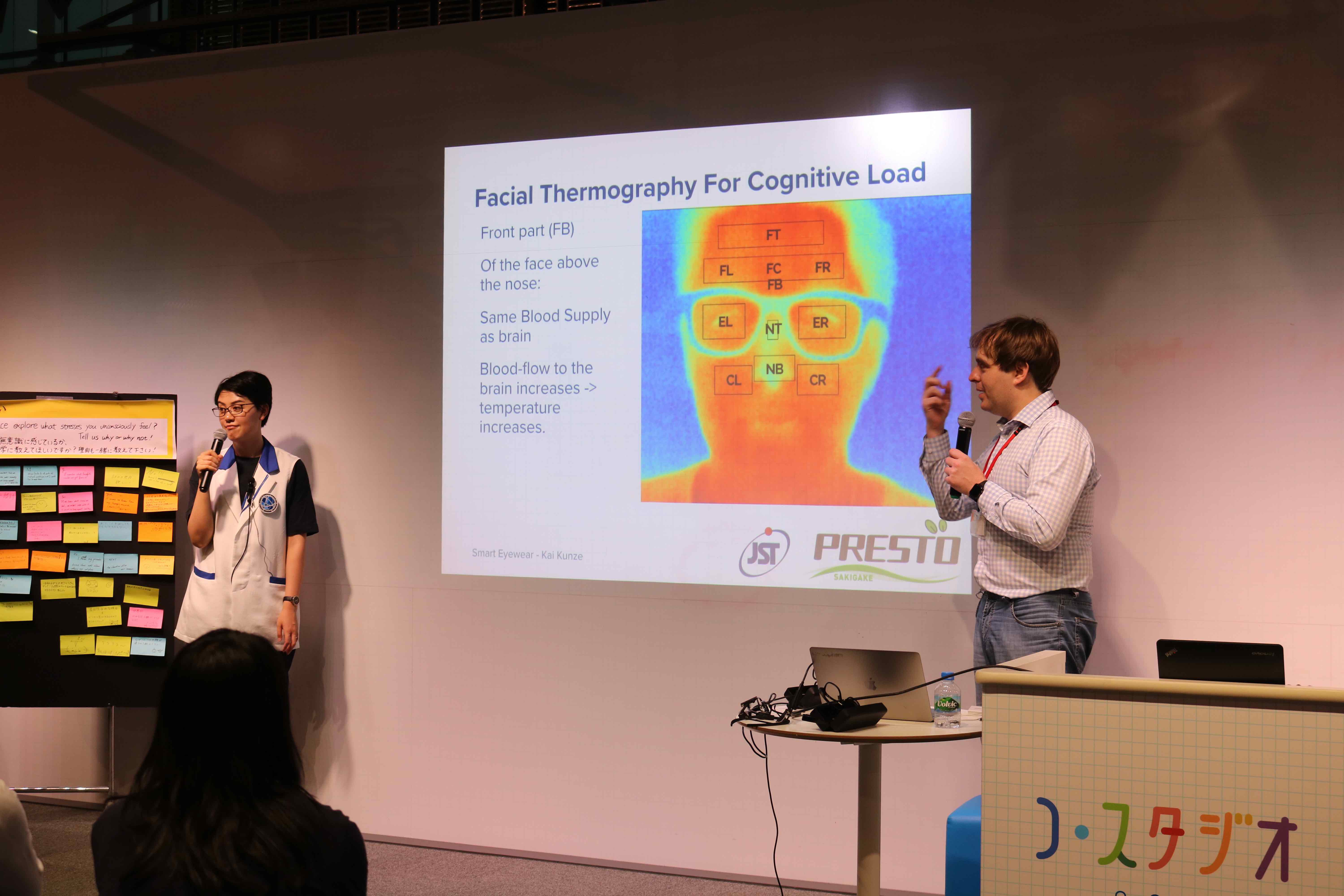
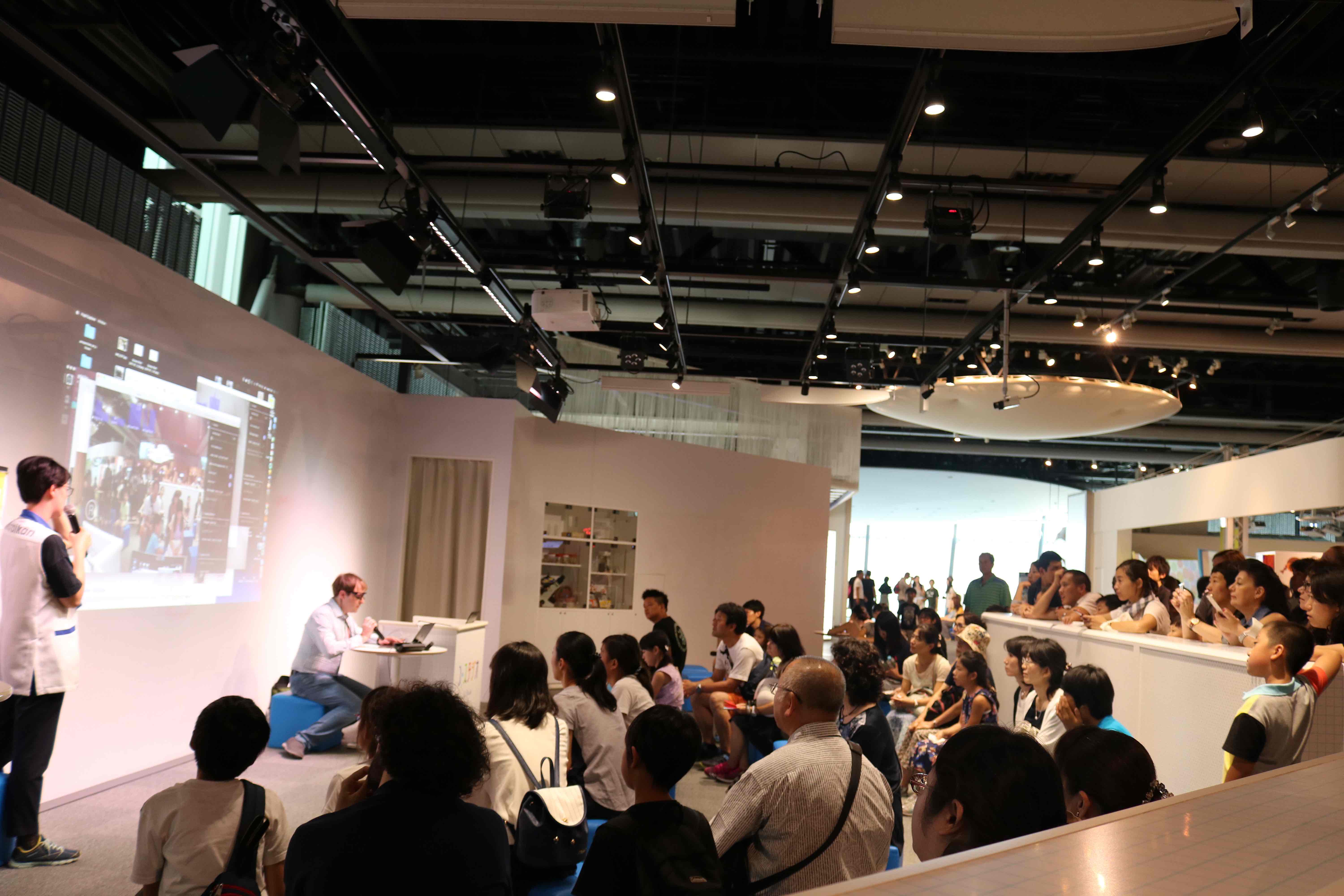
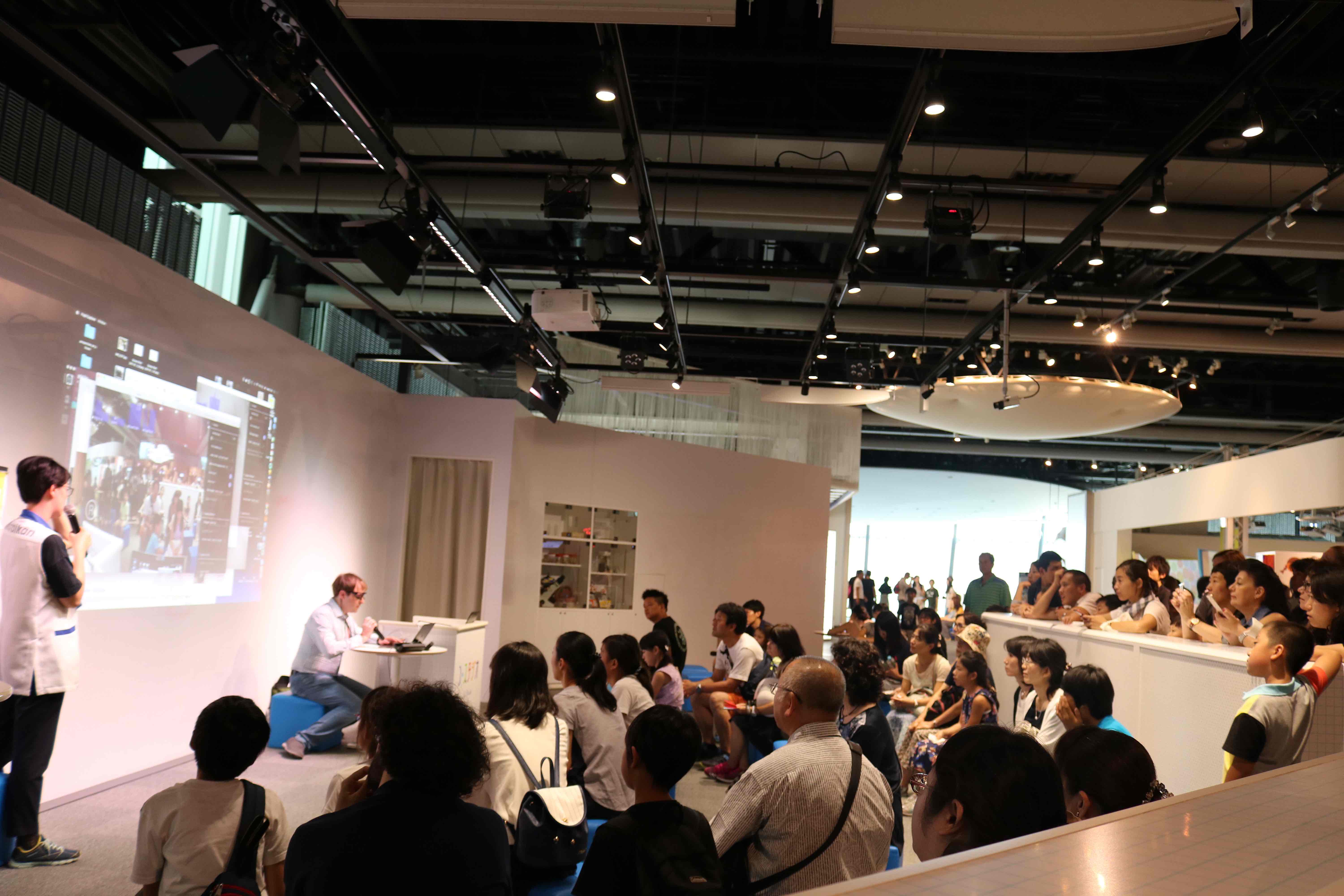
On the 9th August I had the opportunity to take part in a Miraikan Science Quest. It’s an open event at Miraikan, the Science Museum in Tokyo, to encourage a dialog between the public and researchers. This Science Quest was a premier, as it was the first ever held in English ;)
[Read More]Kai @ Siggraph
My second Siggraph was pretty amazing again. Unfortunately, we had another emerging technology exhibit, so my time joining the main conference was limited.
[Read More]